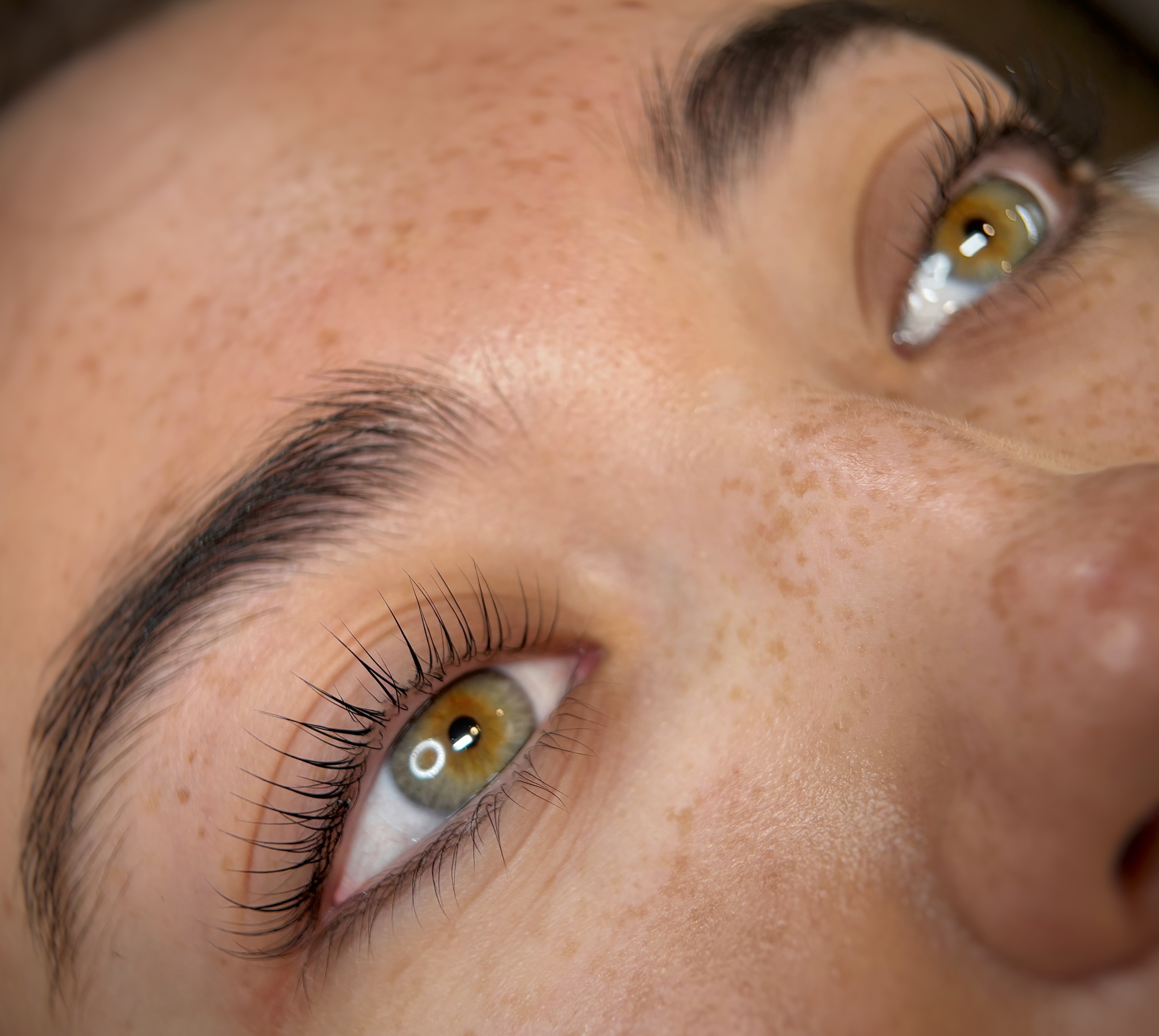
Understanding Lash Lift Methods: Classic vs Korean vs Hybrid Systems
Discover the evolution of lash lifts in this in-depth guide comparing classic TGA, gentler cysteamine, Korean full-length, and hybrid methods. Learn the science of disulfide bonds and how to select the ideal technique for healthier, dramatically curled lashes tailored to client needs.
March 11, 2026 · 4 min read
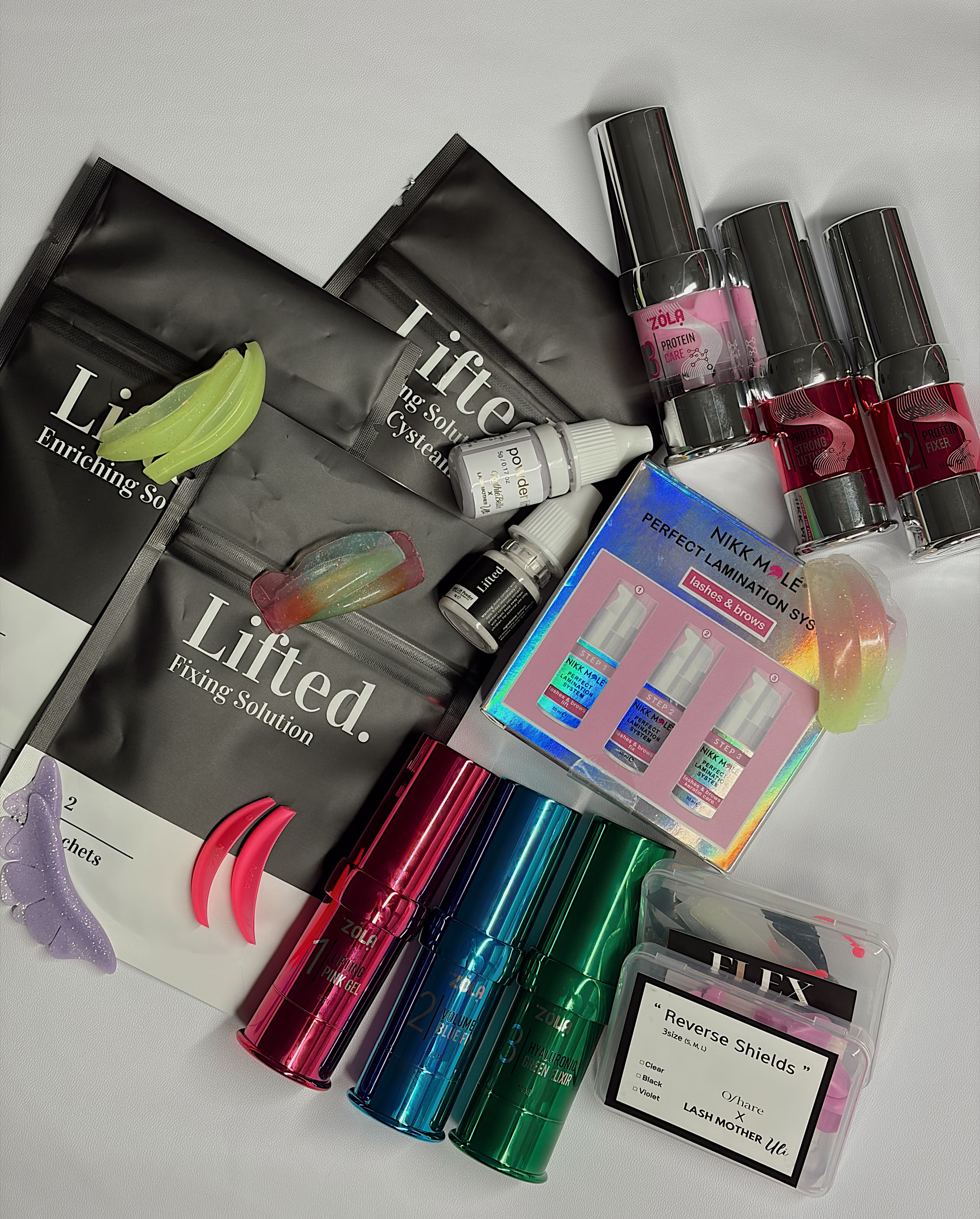
Lash lifts have evolved significantly in the beauty industry over the last few years. While many clients simply want longer-looking lashes without extensions, the method and chemistry used during a lash lift can dramatically affect both the results and the health of the lashes.
Today, there are several different approaches used by lash professionals, including the classic TGA method, newer cysteamine-based systems, and Korean-style techniques. Understanding these differences helps artists choose the best system for each client.
The Science Behind Lash Lifts
To understand how lash lifts work, we need to understand disulfide bonds.
Natural lashes are made of keratin proteins that are held together by disulfide bonds. These bonds determine the natural shape of the lash.
A lash lift works by:
- Breaking some of these bonds
- Reshaping the lash on a shield
- Reforming the bonds to lock in the new curl
Different systems break these bonds in different ways, which affects how gentle or aggressive the treatment is.
TGA Systems (Traditional Lash Lift Chemistry)
Traditional lash lifts typically use Thioglycolic Acid (TGA).
TGA works by cutting the disulfide bond in half, creating two highly reactive sides. Because both ends are free, they can trigger a chain reaction where nearby bonds begin breaking as well.
This is why TGA systems can act very quickly and aggressively.
TGA systems usually operate at a pH of 8.5–10, which is highly alkaline.
A higher pH causes the cuticle of the lash hair to open more aggressively, allowing the chemical to penetrate faster.
Pros
- Fast processing time
- Strong lifting power
- Reliable results
Cons
- Can be aggressive if not controlled properly
- Higher risk of overprocessing
- Not ideal for fragile lash tips
Because of this, TGA is usually applied only to the middle section of the lash, not the tips.
Cysteamine Systems
Newer lash lift systems use cysteamine, a gentler restructuring ingredient.
Instead of cutting the bond completely in half like TGA, cysteamine creates a mixed disulfide bond, where one side remains anchored to the protein structure.
This creates flexibility in the lash without causing as much structural damage.
Cysteamine systems typically operate at a pH of 7.5–8.5, which is lower and gentler.
Benefits
- Less aggressive cuticle lift
- Reduced risk of damage
- Allows reshaping of the entire lash length
Because it is gentler, cysteamine can often be used closer to the tips of the lashes without causing the same level of stress as TGA.
The Classic Lash Lift Method
The classic lash lift method is what many artists originally learned.
Process
- Lashes are wrapped onto a silicone shield using lash glue or balm
- Step 1 solution (typically TGA-based) is placed on the midsection of the lashes
- Step 2 neutralizes and reforms the bonds
- Lashes are tinted
- The area is washed and sealed with a conditioning treatment
Key Characteristics
- Glue is used to secure lashes to the shield
- Solution placement is partial, not full length
- Shields remain in place throughout the treatment
This technique works well but requires careful placement to avoid overprocessing the lash tips.
The Korean Lash Lift Method
The Korean lash lift method introduces a different philosophy to lash lifting.
Instead of focusing only on the midsection of the lash, this technique reshapes the entire lash length.
Two Main Differences
- Step 1 is applied along the entire lash
- Shields may be changed during the procedure
Step 1 Options
Artists may use:
- Flat shields
- Reverse shields
- Eyepatch lifting techniques
Because this method treats the full lash length, it is recommended to use cysteamine-based systems only.
Advantages
- More dramatic lift
- Curl created from root to tip
- Less guesswork in placement
Challenges
- Longer treatment time
- Requires more advanced technique
- Shield switching can be more complex
Hybrid Lash Lift Methods
Many modern artists now use a hybrid technique, combining elements of both methods.
Hybrid Approach
- Lashes may be positioned without traditional glue (try powder)
- Cysteamine solutions are applied along the full lash length
- Shields remain in place without switching
This method aims to balance:
- Efficiency
- Lash safety
- Consistent results
Why Understanding These Methods Matters
This information is not meant to suggest that one system is universally better than another.
Instead, it highlights that different clients require different approaches.
For example:
- Some lashes respond better to stronger lifting systems
- Others benefit from gentler restructuring ingredients
- Technique and chemical choice should always be tailored to the client’s lash health
The goal of a professional lash artist is not simply to perform a lash lift—but to choose the right system and method for each individual client.